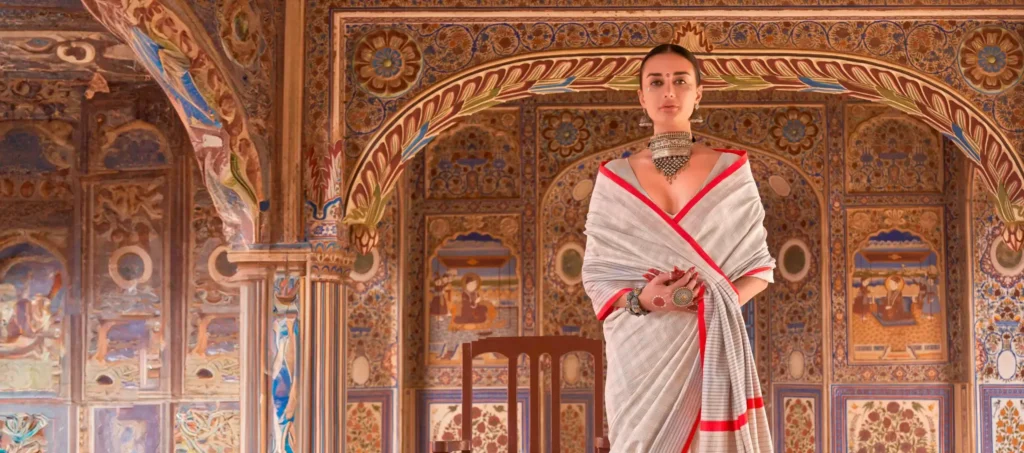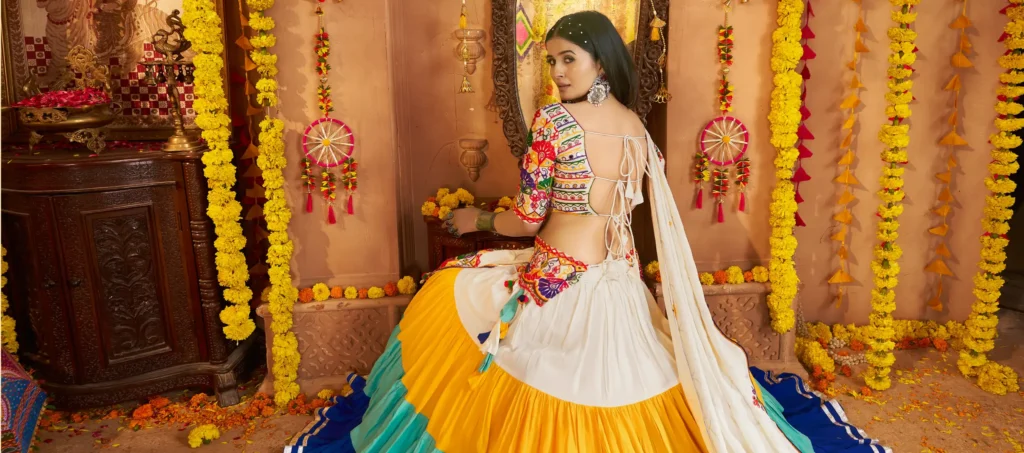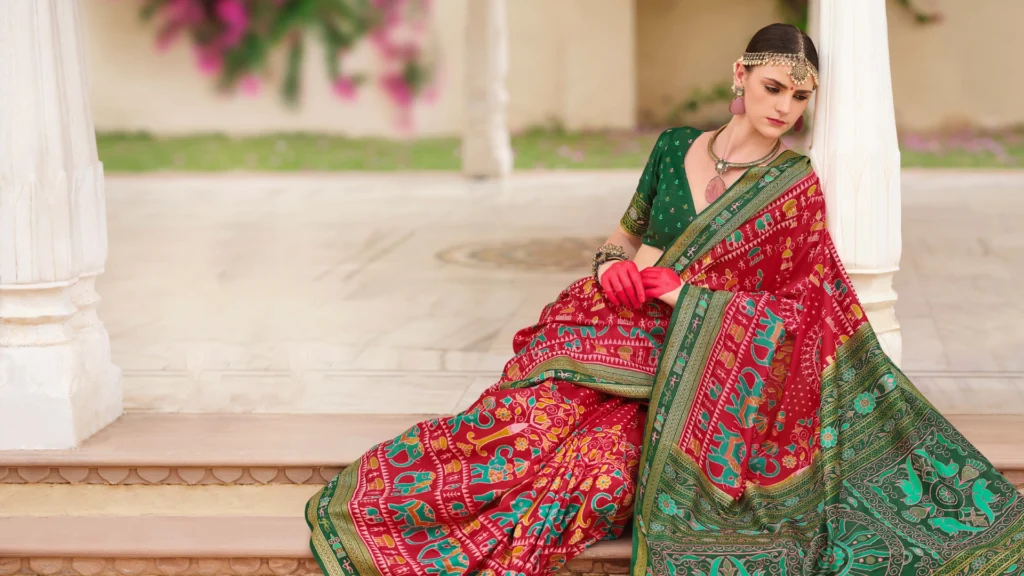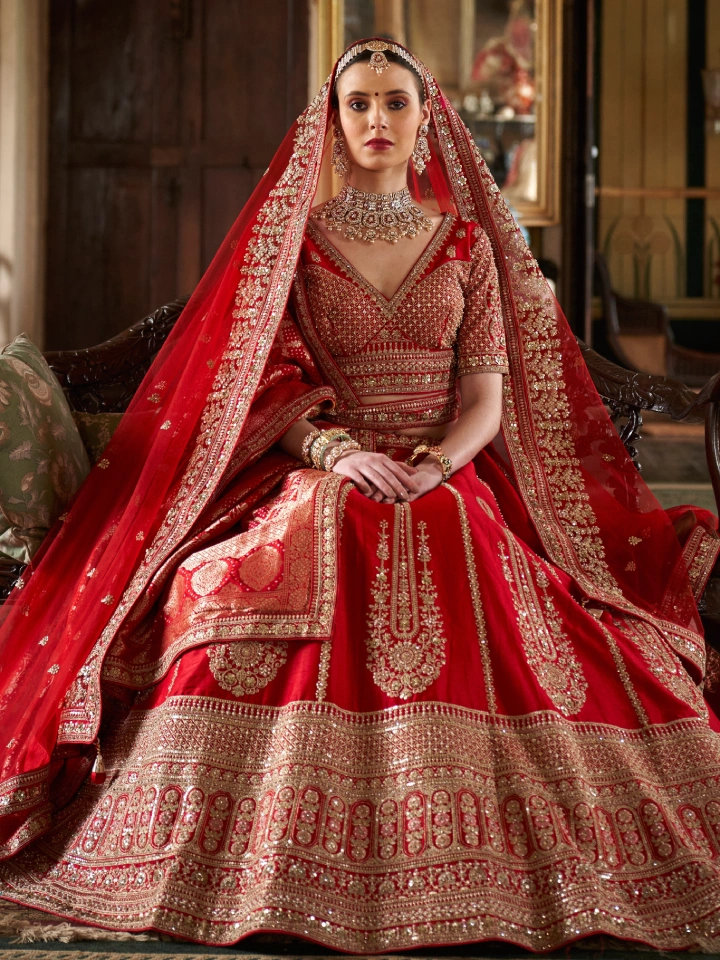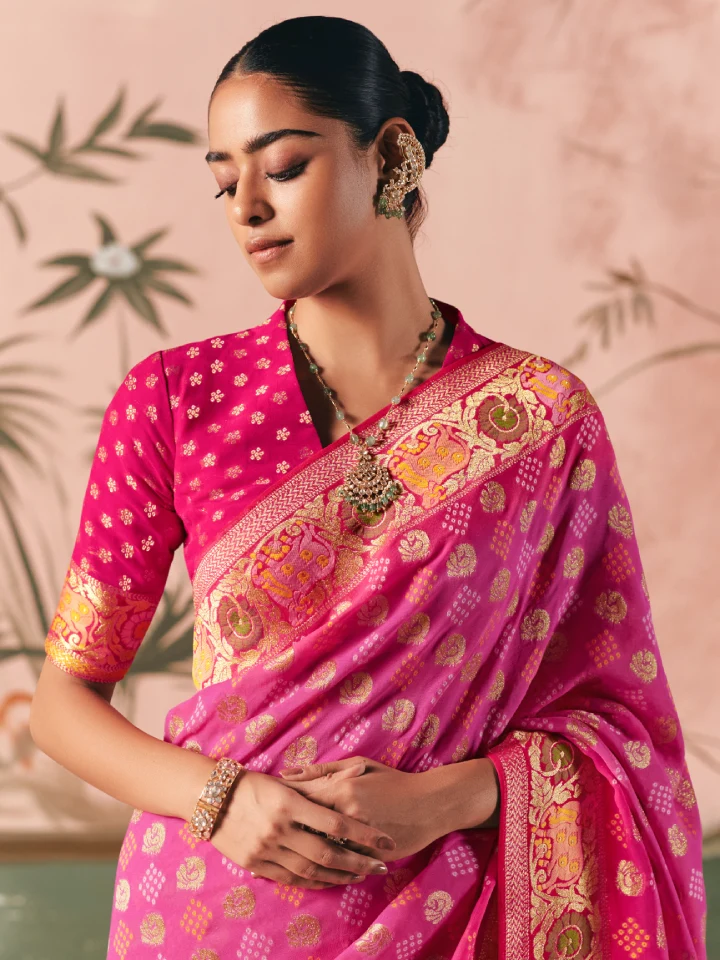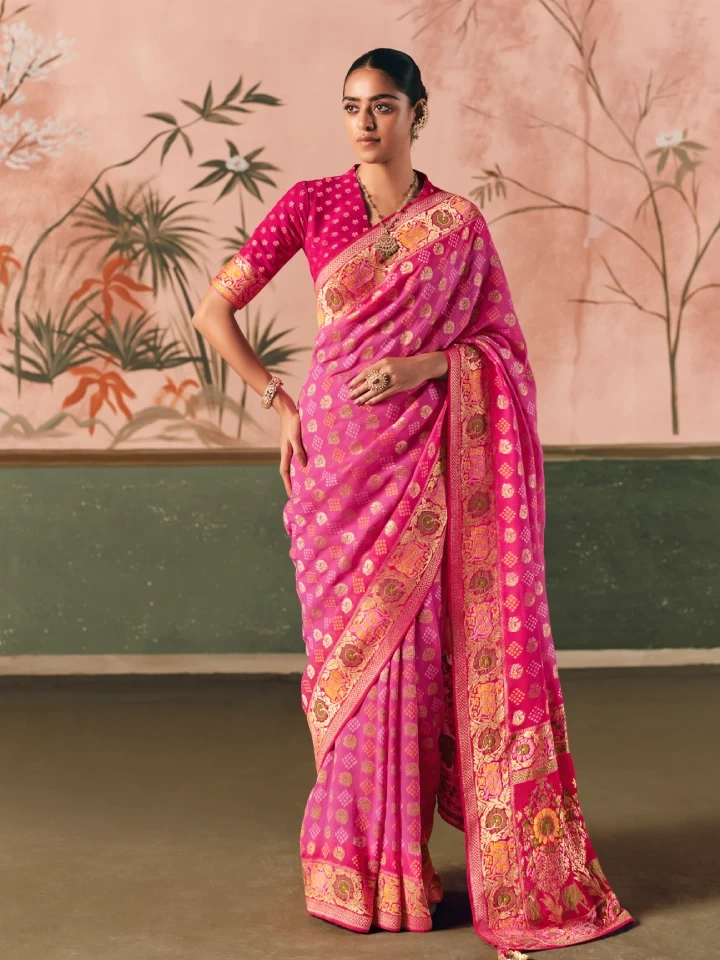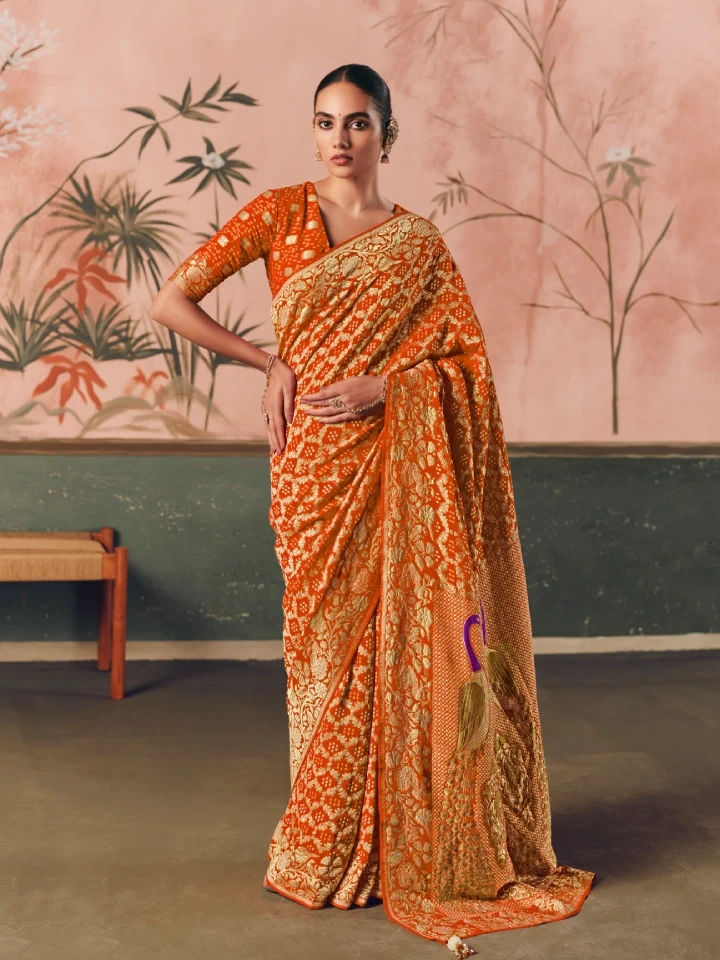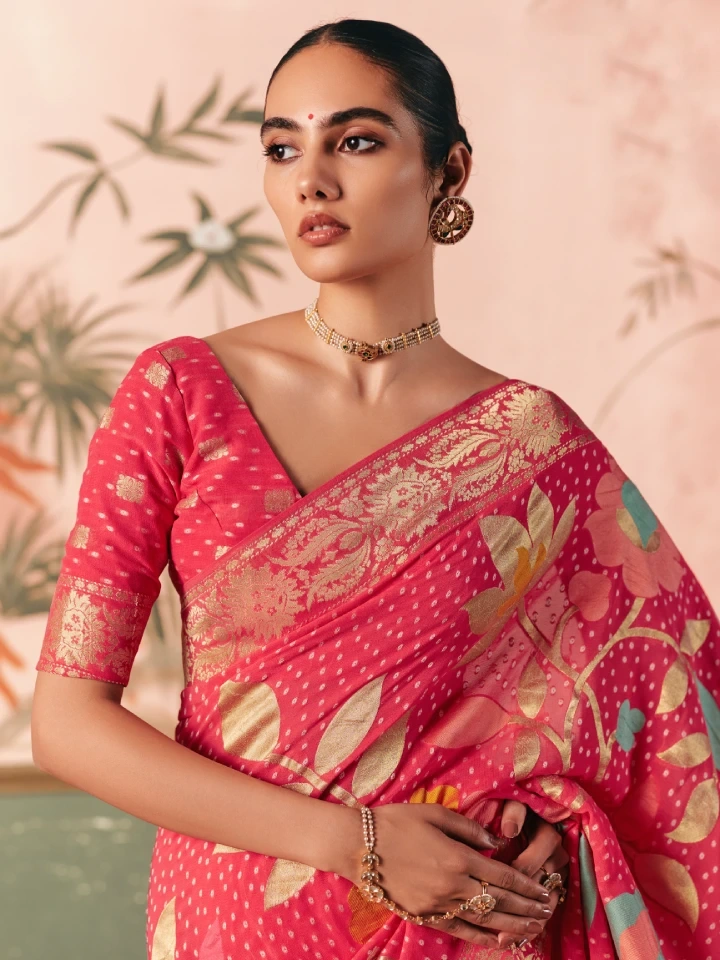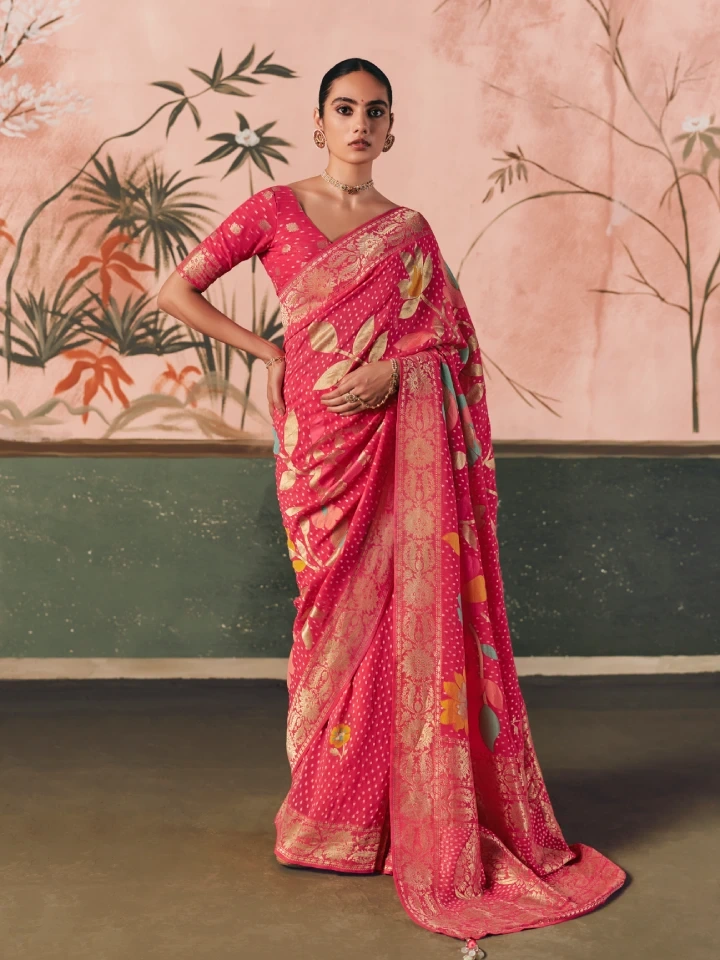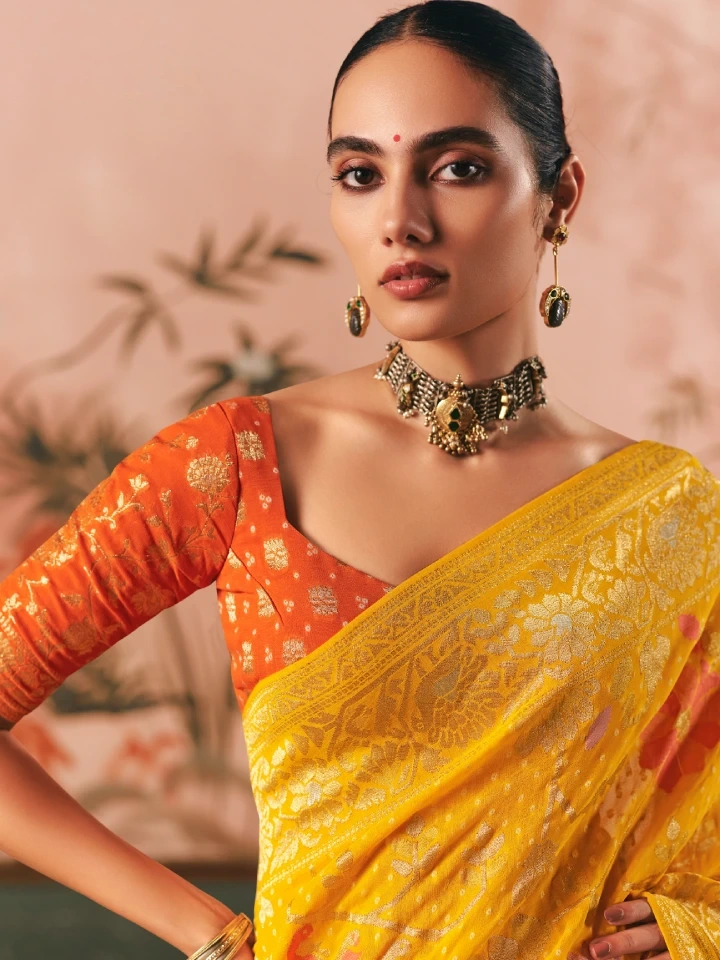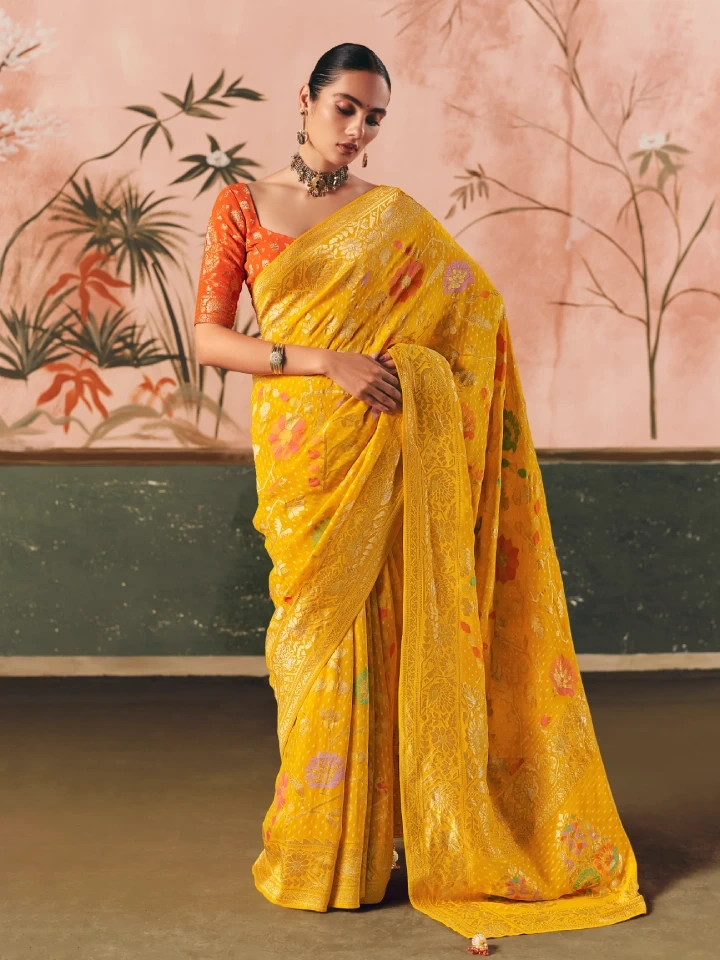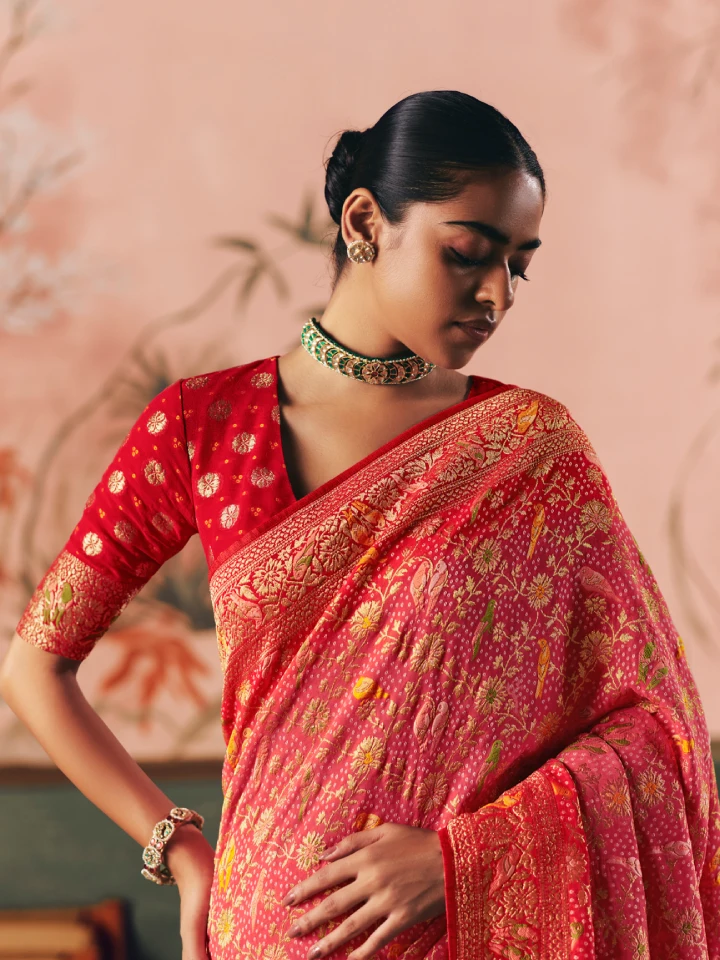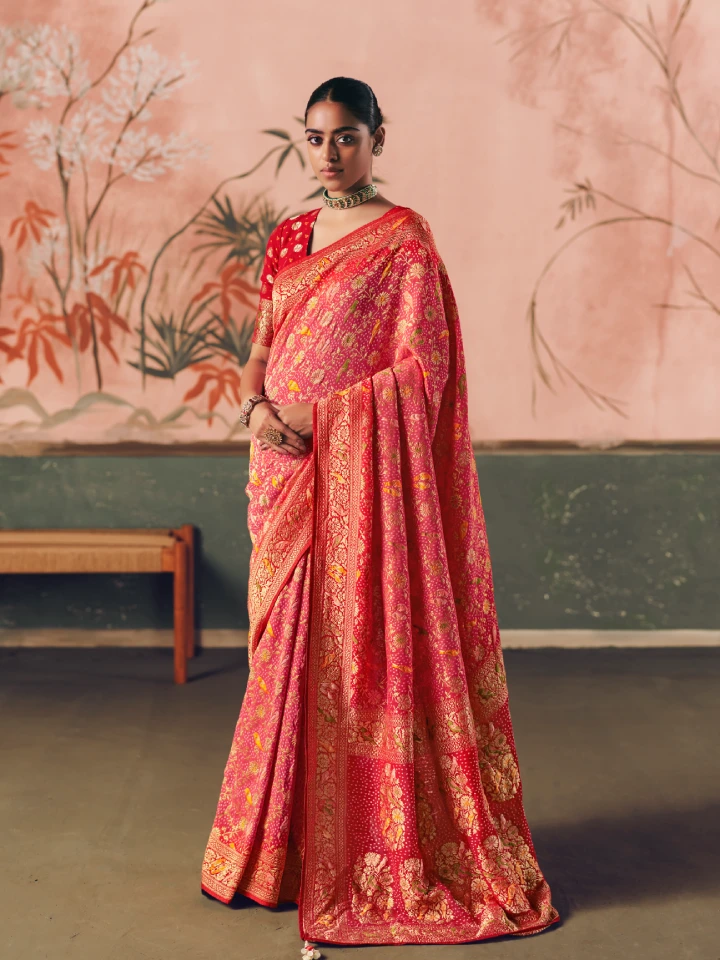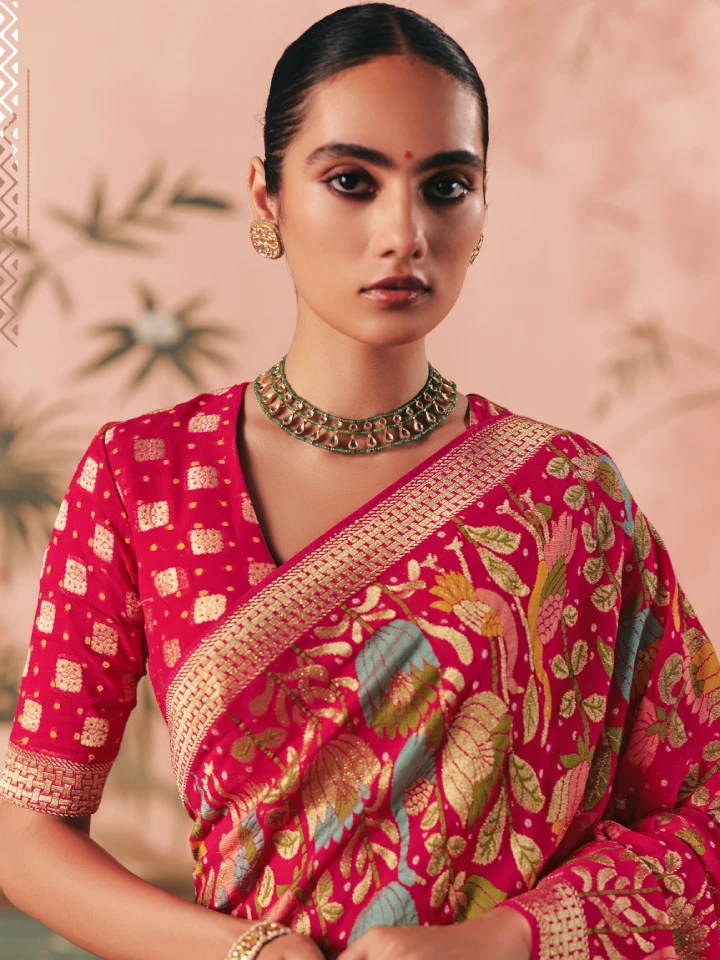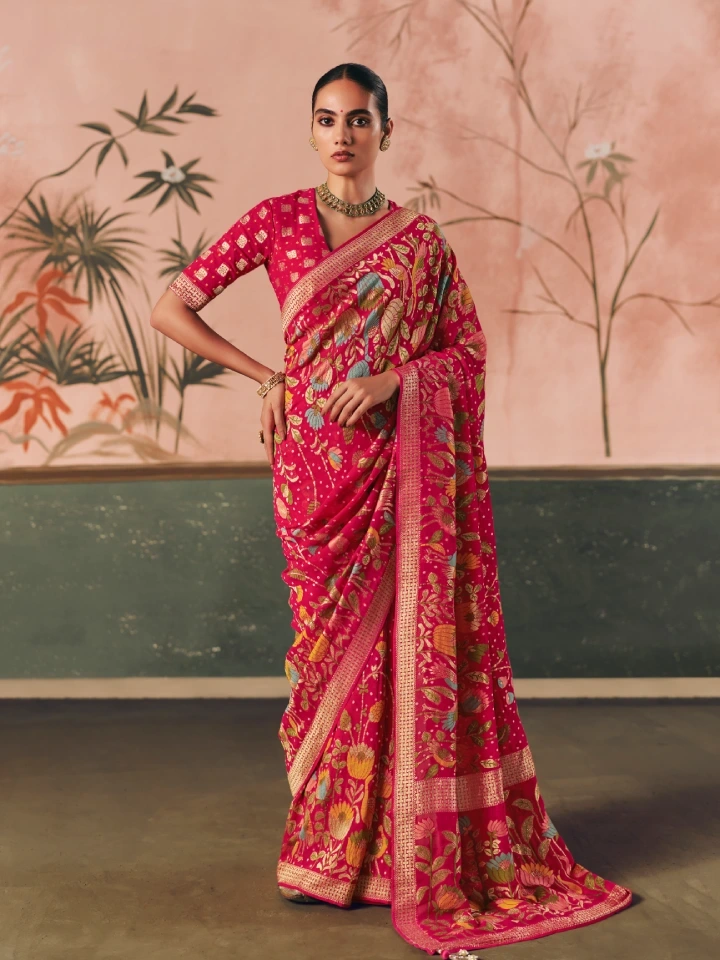
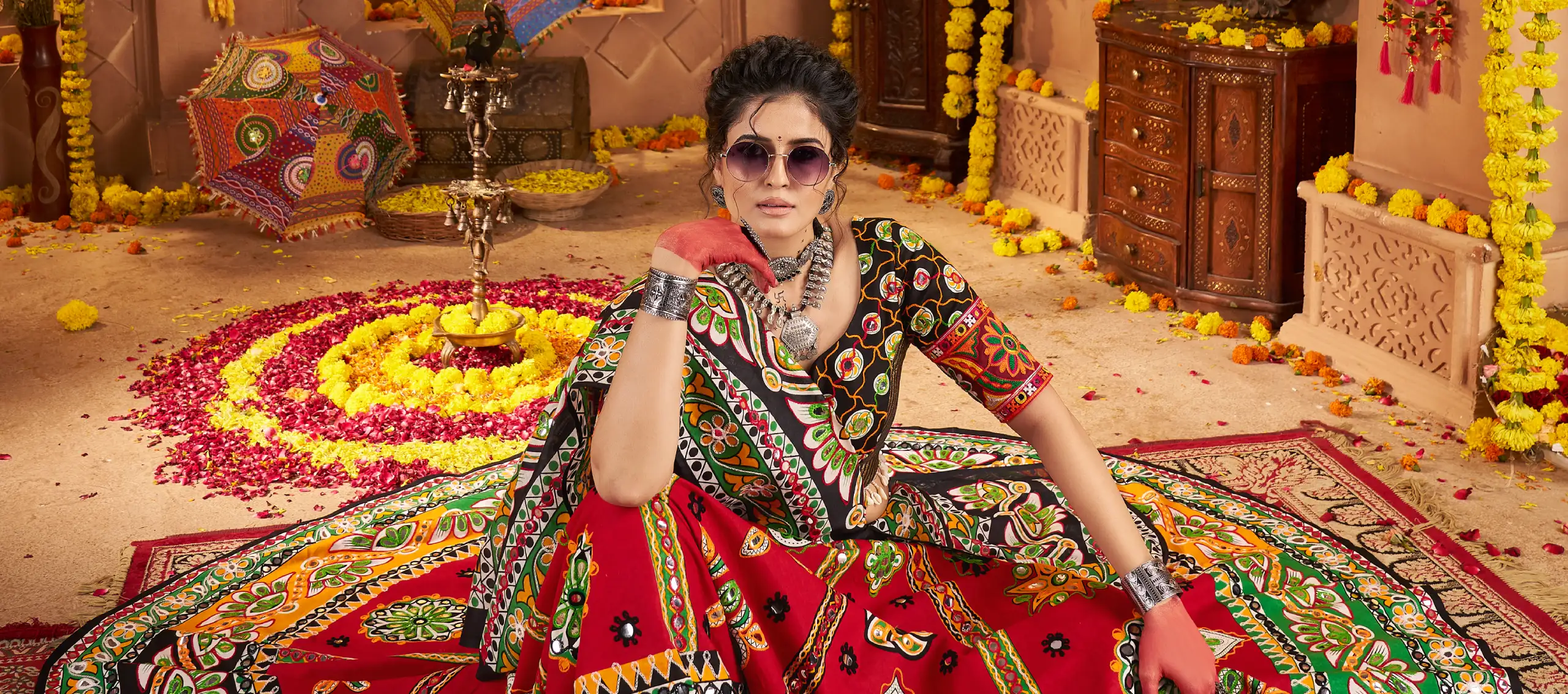
The Ghagra Choli, a term often used interchangeably with Lehenga Choli or Chaniya Choli, evokes an image of lavish, traditional Indian attire, deeply rooted in the royal aesthetics of Rajasthan and Gujarat. When you invest in a luxurious piece from the Rajgharanaa collection, you are purchasing more than just an outfit; you are acquiring a wearable piece of heritage. To truly unlock the grandeur of this royal garment, mastering the Rajgharanaa Ghagra Choli Dupatta Style is essential.
The way the dupatta is draped is the ultimate finishing touch, capable of enhancing the intricate embroidery, flattering the silhouette, and aligning the entire ensemble with the occasion, whether it’s a grand wedding or a vibrant festive celebration. This 1000-word SEO guide delves deep into the essential techniques, creative variations, and insider tips for perfecting the Rajgharanaa Ghagra Choli Dupatta Style.
The Rajgharanaa Trilogy: Ghagra, Choli, and Dupatta
Understanding the components of a Rajgharanaa Ghagra Choli is the first step in mastering the drape:
- The Ghagra (Skirt): In the Rajgharanaa collection, the ghagra is typically full-flared (circular cut) or features kalis (panels), designed to maximize volume and movement. Fabrics are rich, often heavy silks, velvets, or ornate nets, lavishly adorned with Zari, mirror work, or dense thread embroidery. The sheer weight and detail demand a secure dupatta style.
- The Choli (Blouse): Often a modern cut—perhaps a deep V-neck, long sleeves, or a corset style—that balances the heavy ghagra. The choli’s design must be highlighted, not hidden.
- The Dupatta: The Rajgharanaa dupatta is generally rich, featuring heavy borders and scattered work. Its texture and weight are primary considerations when choosing the best Ghagra Choli Dupatta Style.
The goal of the perfect Rajgharanaa Ghagra Choli Dupatta Style is to showcase the opulent embroidery of the ghagra and the sophisticated design of the choli simultaneously.
1. The Timeless Traditional Styles for Rajgharanaa Ghagra Choli
For wedding ceremonies and highly formal events, these classic Ghagra Choli Dupatta Style techniques provide an air of undeniable royalty.
A. The Traditional Bridal Double Dupatta Style
This is the standard Rajgharanaa bridal look, providing both modesty and maximum grandeur.
- Dupatta 1 (The Head Drape/Veil): A lighter net or georgette dupatta is meticulously pleated and pinned over the head (chunni). This maintains tradition and allows easy movement.
- Dupatta 2 (The Body Drape/Saree Pallu): The heavy, primary Rajgharanaa dupatta is pleated, tucked securely at the left waist, brought across the torso, and draped over the right shoulder, falling dramatically to the floor.
- SEO Tip: This Ghagra Choli Dupatta Style highlights the richness of the Rajgharanaa fabric by showcasing the heavy border of the main dupatta while keeping the bride comfortable under the lighter head veil.
B. The Gujarati Siddhha Palla Style
Perfect for a vibrant Sangeet or Garba night, this drape is secure and showcases the work beautifully.
- The Technique: The dupatta is tucked at the waist on the left, brought across the back, over the right shoulder, and then draped diagonally across the front of the body (torso) before being tucked or pinned at the left hip.
- Why it Works: This traditional Ghagra Choli Dupatta Style beautifully frames the choli’s front design and ensures the dupatta is firmly secured, ideal for dancing while wearing a heavy Rajgharanaa ghagra choli.
2. Modern and Secure Dupatta Styles for Festive Wear
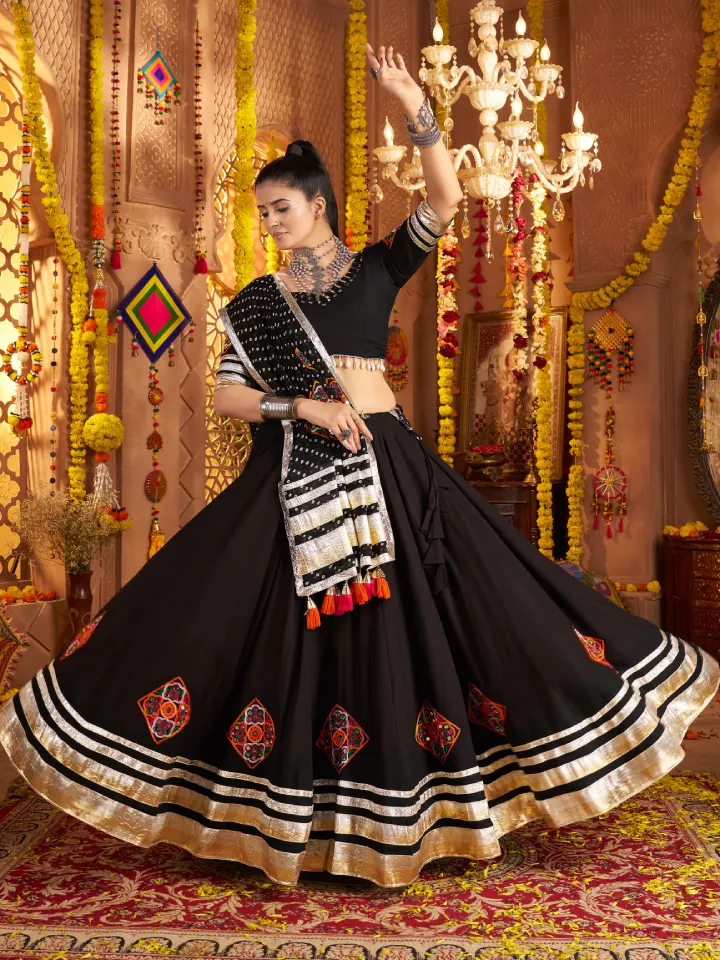
For guests, reception parties, or pre-wedding functions, these techniques offer style and practicality.
A. The Effortless Shoulder Drape
Simple yet effective, this style is modern and highlights the fit of the choli.
- The Technique: The dupatta is neatly pleated into a narrow column and pinned securely on one shoulder, typically the left, allowing it to fall straight down the back. The other end is often left free-flowing or lightly tucked at the waist.
- SEO Tip: This Ghagra Choli Dupatta Style is often seen on contemporary Rajgharanaa lehenga designs, as it keeps the hands free and prevents the elaborate ghagra from being hidden. It’s perfect for showing off a detailed choli design.
B. The Regal Belted Dupatta Style
Combining tradition with a modern cinched look, this is an increasingly popular Ghagra Choli Dupatta Style.
- The Technique: The dupatta is draped over the shoulder (either in the Saree Pallu style or folded and pleated across the back) and secured at the waist with an ornate Kamarbandh (waist belt).
- Why it Works with Rajgharanaa: A Kamarbandh not only secures the drape but draws attention to the slimmest part of the body, accentuating the volume of the Rajgharanaa ghagra and highlighting the waist detailing. This ensures the dupatta stays in place while you enjoy the event.
3. Fusion and Statement Dupatta Styles
For the fashion-forward bride or attendee, these styles offer a unique twist on the Ghagra Choli look.
| Dupatta Style | Technique & Best Use | Compliments Rajgharanaa Designs By |
| The Elbow Drape | The dupatta is draped over the inner elbow of both arms, leaving the torso and ghagra completely visible. Highly versatile for soft georgette or chiffon dupattas. | Perfect for showcasing a heavily embellished Rajgharanaa choli or necklace. Ideal for a Mehndi or Cocktail event. |
| The U-Shape/Cowl Drape | The dupatta is draped around the neck and allowed to fall in a soft ‘U’ or cowl shape on the chest and back. Secured with brooches on the shoulders. | Great for rich, plain velvet or heavy silk Rajgharanaa dupattas where the focus is on the luxurious fabric texture rather than the border. |
| The Cape Style | The dupatta is draped across the back and pinned at both choli shoulders, flowing down like a cape. Used mostly with sheer net dupattas. | Creates a dramatic, structured look, especially effective when the Rajgharanaa ghagra choli features a detailed back. |
Essential SEO Tips for Perfecting Your Ghagra Choli Dupatta Style
To ensure your magnificent Rajgharanaa Ghagra Choli looks perfect on the day, consider these final tips for your dupatta style:
- Fabric Match: If your Ghagra Choli is crafted from heavy fabrics (like velvet or raw silk, common in Rajgharanaa bridal wear), opt for structured drapes (like the Double Dupatta). If the garment is lighter (net, chiffon), flowing drapes (like the Elbow or Cowl style) work best.
- The Power of Pins: Never rely on a loose drape. Use large, secure safety pins to firmly attach the dupatta to the choli at the shoulder, waist, and/or back. The security of your Ghagra Choli Dupatta Style is paramount for comfort and confidence.
- Accentuate Your Assets: Choose a dupatta style that draws the eye to your favourite feature. Want to show off a stunning choli neckline? Choose a single shoulder drape. Want to highlight a slim waist? Use the belted Ghagra Choli Dupatta Style.
- Practice Makes Perfect: Since Rajgharanaa pieces are typically high-end and often custom-made, practice your chosen Ghagra Choli Dupatta Style during a fitting or rehearsal to ensure it is comfortable and photographs well from all angles.
Conclusion: Your Royal Look Awaits
The Rajgharanaa Ghagra Choli Dupatta Style is the final brushstroke on a canvas of tradition and luxury. By carefully selecting a drape that complements the intricate handwork, opulent fabrics, and royal fit of your Rajgharanaa ghagra choli, you ensure that your attire is nothing short of a masterpiece. From the timeless double drape of a bridal lehenga to the chic simplicity of the shoulder drape, mastering the perfect dupatta style is the key to stepping into your role as royalty.
Ready to complete your look? I can search for accessories and jewellery that are perfectly suited to the heavy embroidery of a Rajgharanaa Ghagra Choli.